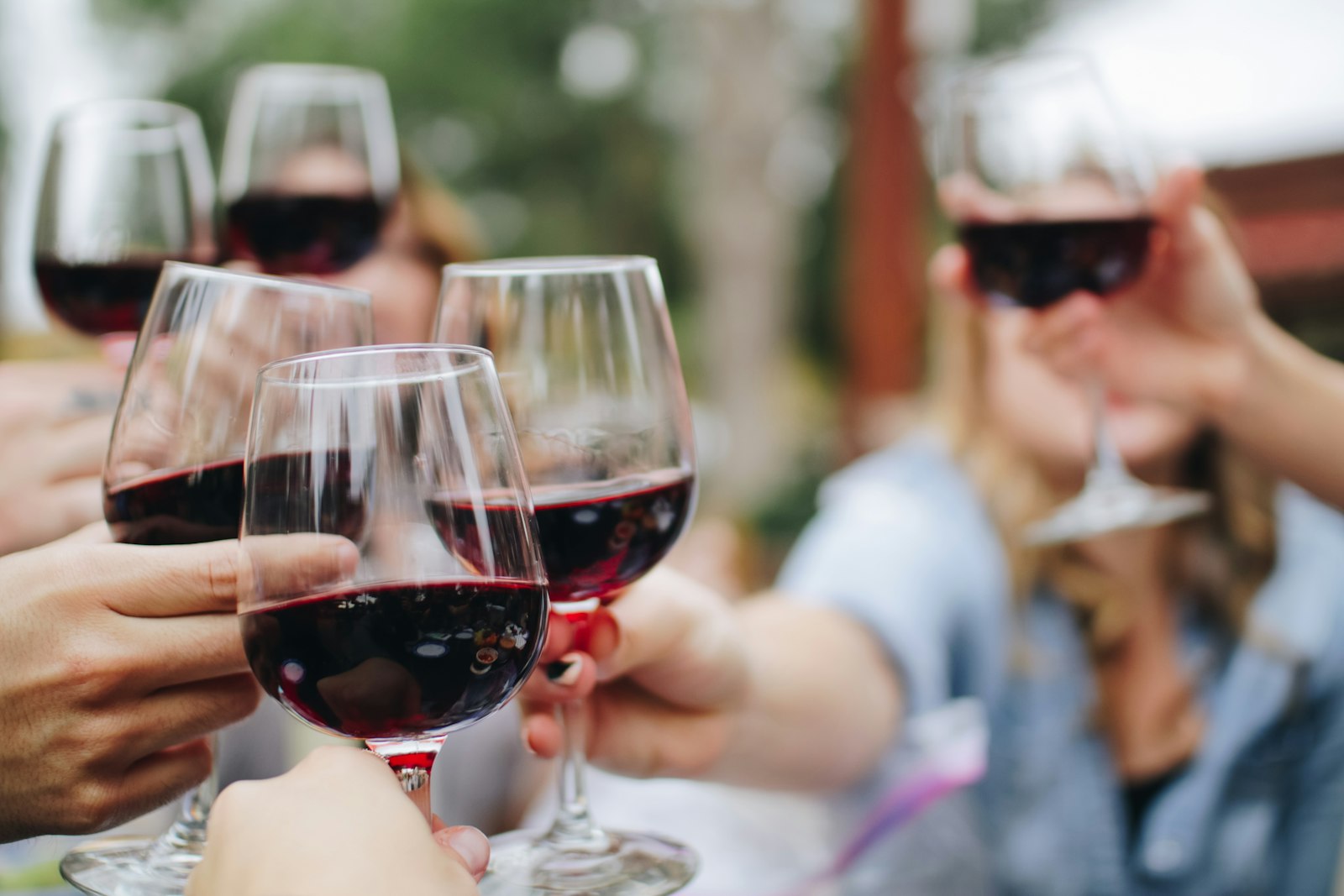
Natural wine in Paris did not arrive as a trend sticker. It arrived as a set of relationships: growers who farmed with fewer crutches, importers who trusted funk, and bars willing to pour something that might divide a table. In the 11th, those relationships found dense sidewalks and late hours — the perfect climate for an argumentative glass.
Field Notes approaches natural wine as culture first. The chemistry matters; so does the way a bartender leans in and says, “This one is a little wild tonight.” That sentence contains more pedagogy than a tasting wheel.
What “natural” signals in practice
Definitions vary, and the word is contested. Broadly, drinkers mean grapes farmed with attention to soil health, fermentations that lean on indigenous yeasts, and minimal additives in the cellar. Some bottles are quiet and precise. Others are vivid, cloudy, lightly sparkling when no one asked them to be. The category is a spectrum, not a uniform.
East Paris rooms helped normalize that spectrum. Guests learned that a hazy pour could still be intentional; that volatility could be a flaw or a feature depending on the bottle; that “like” and “interesting” were both allowed answers.
Loire, Jura, and the Paris palate
Many of the formative bottles that shaped Paris natural-wine taste came from regions within an easy story of the city: Loire valleys with Chenin and Cabernet Franc personalities, Jura oxidations that taught people to enjoy nuts and brine in a white, Beaujolais carbonic freshness that made red wine feel like fruit again. The map on the wall mattered less than the map in the mouth.
Good lists do not shout “natural.” They whisper grower names until you start remembering them.
The social technology of the bar
Natural wine bars in the Charonne–Oberkampf belt function as social technology. They lower the threshold for curiosity. You can order a glass without committing to a vocabulary exam. You can ask for something “more mineral” and receive a pour that teaches the adjective by example. You can disagree with your friend and still share the next bottle.
- By-the-glass lists as daily curricula.
- Grower visits as folklore passed across the zinc.
- Food that supports acid and texture, not just prestige pairings.
- Rooms where corked bottles are replaced without shame theater.
Pairing with bistronomie plates
The marriage between natural wine and bistronomie was never accidental. Both prized transparency of material — vegetable, animal, grape — over cosmetic finish. A lightly chilled red beside grilled vegetables makes sense. A skin-contact white beside citrus and herbs makes sense. The pairing logic is affinity of temperament: less makeup, more character.
In kitchens near Rue de Charonne that helped define the east Paris tasting culture, wine service often felt like an extension of the pass: paced, personal, allergic to intimidation. That tone — not any single bottle — is what Field Notes tries to document.
Fatigue, fashion, and the next pour
Every popular aesthetic earns a backlash. Natural wine has been accused of dogma, of masking faults as philosophy, of becoming a uniform. Some of that critique is earned. The corrective is not a return to silence; it is better tasting. Ask what the vineyard looked like. Ask what the vintage did. Ask whether the wine is alive in a way that serves the meal.
From Charonne to Oberkampf, the useful habit remains: pour, notice, talk, pour again. The city taught us that wine can be a notebook entry — unfinished, annotated, worth revisiting tomorrow.