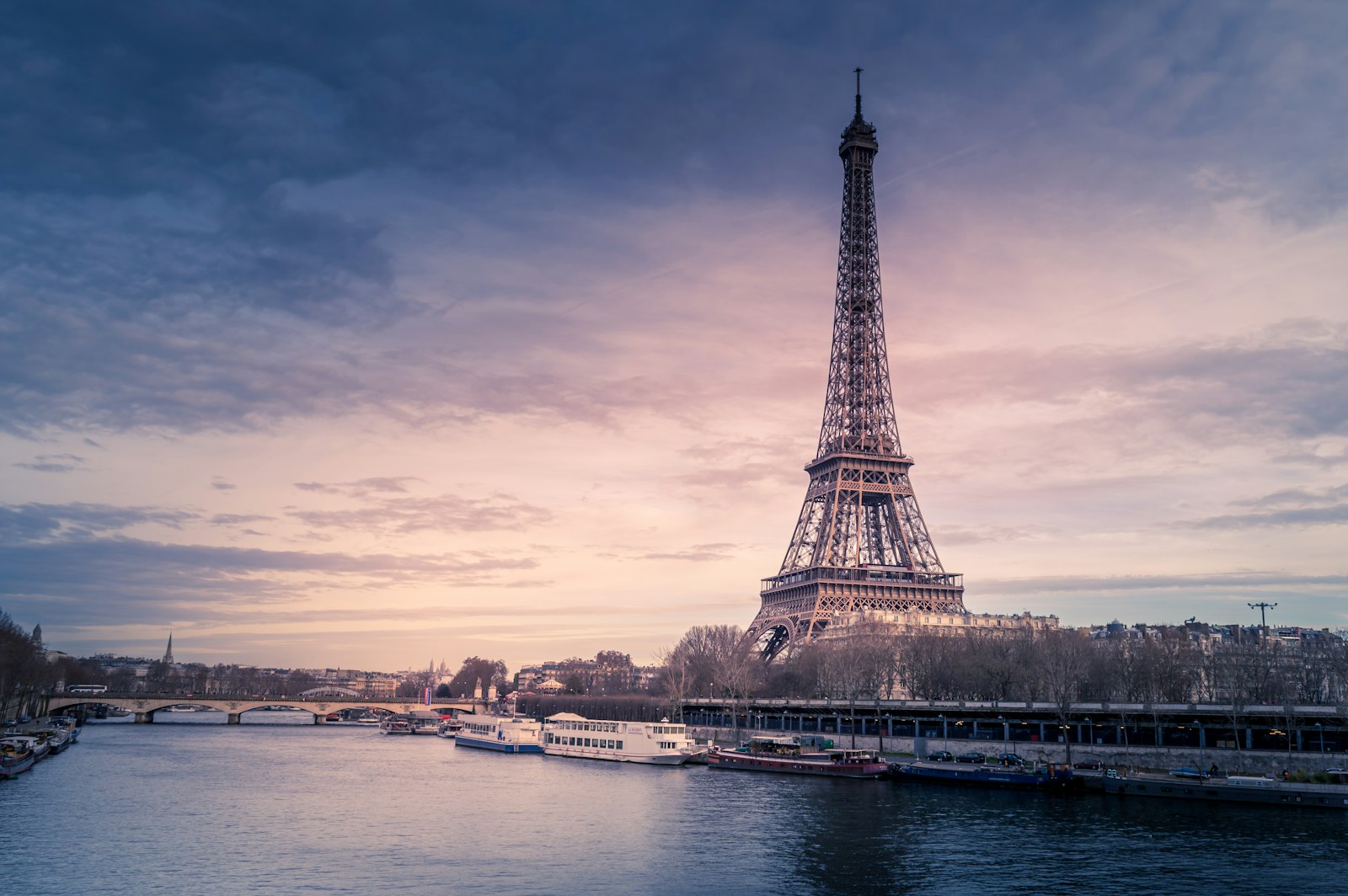
The 11th arrondissement is not a single flavor. It is a sequence of thresholds: market canvas in the morning, espresso steam at eleven, natural wine glassware catching neon after dark. To eat here well is to understand timing — when the streets are for errands, when they are for appetite, when they are for lingering until the last Métro feels optional.
Field Notes treats the 11th as a primary text. Not because every storefront is sacred, but because the neighborhood still stages the argument between old Paris foodways and the post-bistronomie present. You can buy a roast chicken with the same seriousness that another room plates a tasting progression. Both belong to the map.
Charonne as a hinge
Rue de Charonne works like a hinge between Faubourg energy and residential quiet. Along it, dining rooms learned to look ordinary from the sidewalk and rigorous from the first bite. That contrast — understatement outside, intention inside — became a signature of east Paris cooking in the years when bistronomie matured from novelty into grammar.
Writers often compress the street into a pilgrimage route. We prefer a slower reading: notice the width of the pavement, the way evening light hits zinc, the conversations that spill out when a room is too small to contain its own warmth. Those are not travel tips. They are cultural facts about how the 11th socializes hunger.
Markets as civic kitchens
Before any tasting menu, there is the market. Bastille’s market days, the smaller neighborhood stalls, the greengrocers who know which tomatoes will survive a warm walk home — these are the 11th’s true training grounds. Cooks shop with the same eyes as grandmothers, even when the destination plate looks modernist. Seasonality here is not a caption; it is a trolley schedule.
Watch a chef pause over herbs and you will see the week’s menu rearrange itself. That is the east Paris contract: the city feeds the kitchen, and the kitchen answers in public later that night.
Oberkampf after nine
Oberkampf’s reputation for nightlife sometimes obscures its food intelligence. Late service, standing counters, rooms that tolerate noise — these conditions shaped a generation’s palate. Natural wine bars taught people to taste without ceremony. Small kitchens learned to cook for guests who arrived hungry from dancing, not from a hotel car.
The 11th does not ask you to whisper. It asks you to pay attention anyway.
That combination — volume plus focus — is part of why the arrondissement became a laboratory. Ideas that might have felt precious in a quieter quartier had to prove themselves against conversation, music, and the clock.
Night tables and daytime tables
There are two 11ths on the plate. Daytime is broth, bakery, market produce eaten with fingers on a bench. Nighttime is sequenced courses, skin-contact pours, desserts that arrive like a soft argument. The best writing about the neighborhood holds both without ranking them. A croissant can be as precise as a reduction. A late omelette can be as honest as a tasting.
- Morning: markets, bakeries, coffee that fuels errands.
- Afternoon: wine shops, grocery runs, the pause before service.
- Night: rooms that turn neighborhood density into hospitality.
Why the map still matters
Paris changes; the 11th changes with it. Rents rise, rooms close, new ones open with the same amber bulbs and different ambitions. What persists is a culture of proximity — between cook and guest, between farm and plate, between street and table. When Field Notes writes about kitchens associated with the Charonne corridor, we are writing about that proximity, not issuing invitations.
Eat the 11th by walking it. Let the day decide the meal. Carry a notebook. The arrondissement rewards people who treat dinner as a continuation of the sidewalk, not an escape from it.