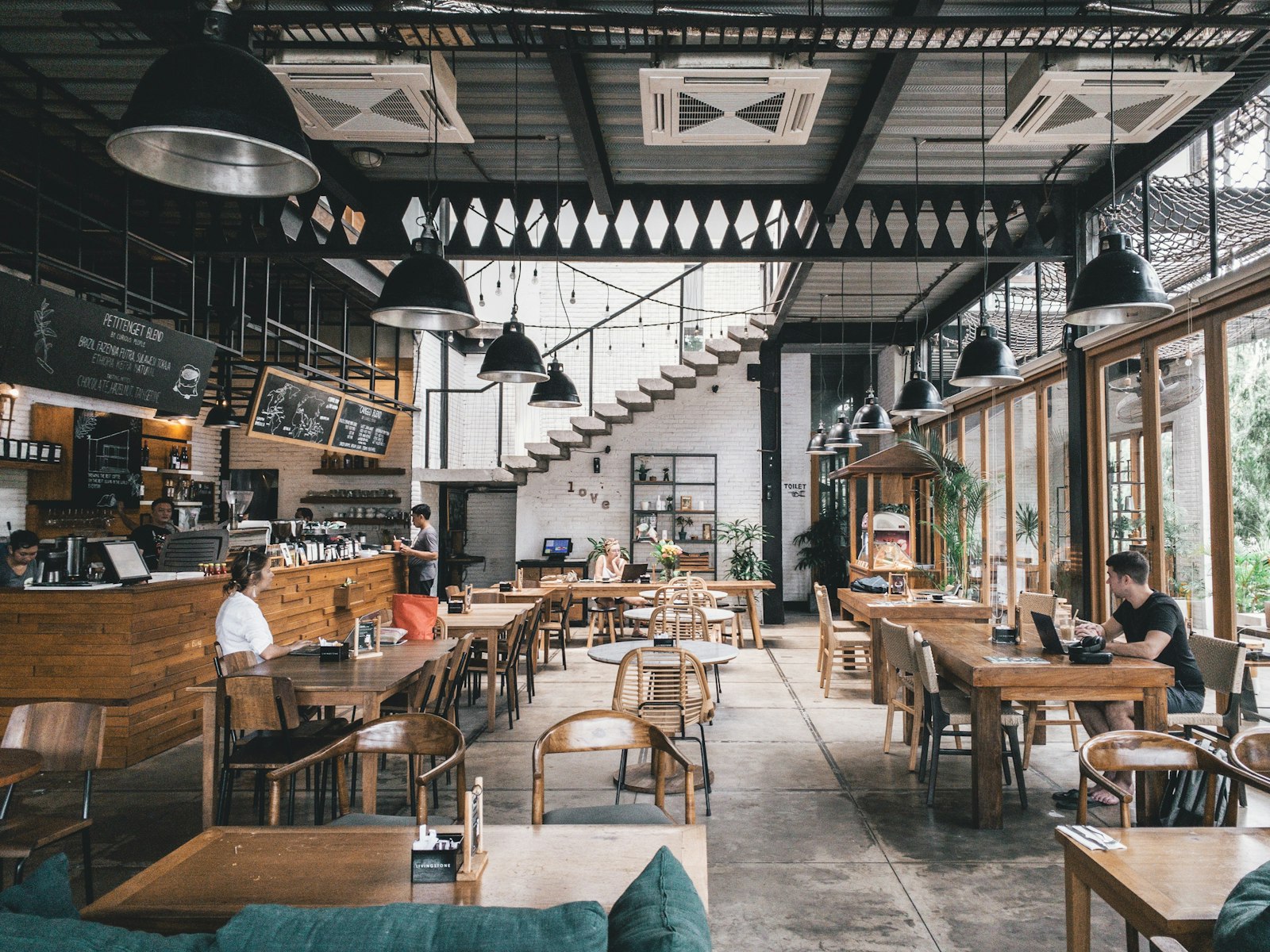
Atmosphere is not decoration. In east Paris dining, atmosphere is a working theory about how strangers should share air for two hours. The theory shows up in chair spacing, in the height of the pass window, in whether the playlist competes with the first course or cushions it.
Field Notes listens to rooms the way others listen to kitchens. A great plate can be undermined by a room that panics. A good plate can become memorable in a room that knows how to breathe.
Warmth without costume
The visual grammar of bistronomie rooms — wood, amber lamps, a certain studied unfussiness — has been copied so often it risks becoming costume. The original impulse was warmth without aristocratic theater. Guests should feel dressed enough in a sweater. Staff should feel free to explain a dish without lowering their voice into reverence.
Noise as texture
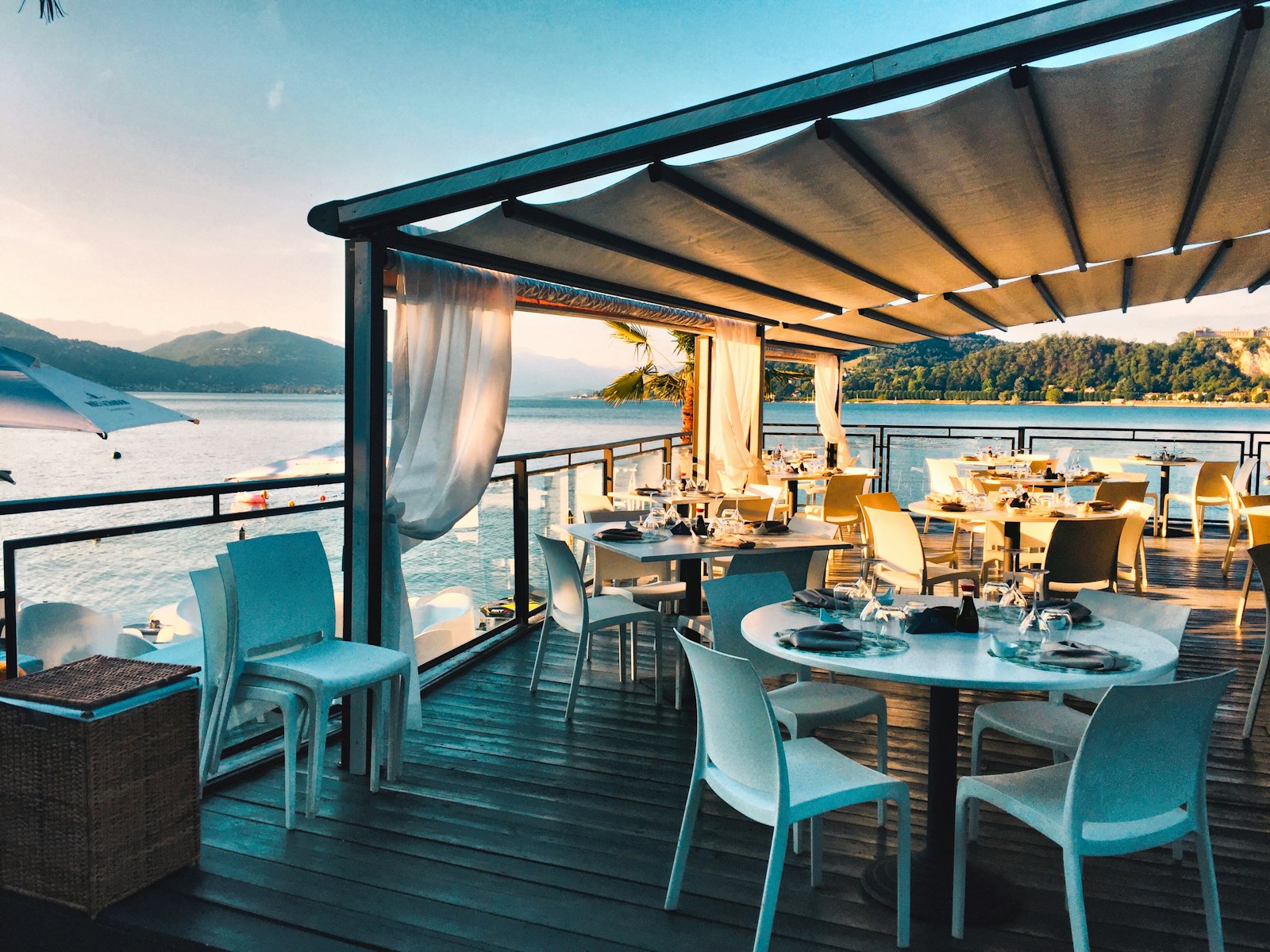
The 11th is not a silent quartier. Rooms absorb street energy. Clinking glassware becomes percussion. Laughter from a neighboring table is not a failure of privacy; it is evidence of civic dining. The craft is balancing energy with intelligibility — you should still hear your companion when the room fills.
A good room does not hush the city. It tunes it.
Pacing is hospitality
Rhythm is where kitchens and dining rooms meet. Courses should arrive with enough space for wine talk and not so much space that hunger turns into irritation. In tasting-led rooms near Charonne that shaped international expectations of east Paris dining, pacing became part of the signature: deliberate, human, allergic to both factory speed and museum stillness.
- Open with something that wakes the palate without shouting.
- Let mid-menu dishes converse with the wine list.
- Protect a quiet beat before dessert.
- End before ceremony becomes fatigue.
The social contract
Guests bring curiosity; the room brings care. Guests accept that a small kitchen cannot reinvent physics; the room accepts that curiosity deserves answers. When that contract holds, dinner feels like belonging for an evening — even if you are visiting from another continent.
Field Notes does not publish seating charts or booking advice. We publish what rooms feel like when they work: the sense that Paris is still capable of intimacy at scale, one table at a time.
After the last plate
Listen, on the sidewalk, when a room empties. If people linger under the awning, still talking about a vegetable or a wine, the rhythm succeeded. The city receives them back — louder, softer, fed — and the 11th continues its night shift. That handoff from table to street is the true closing course.