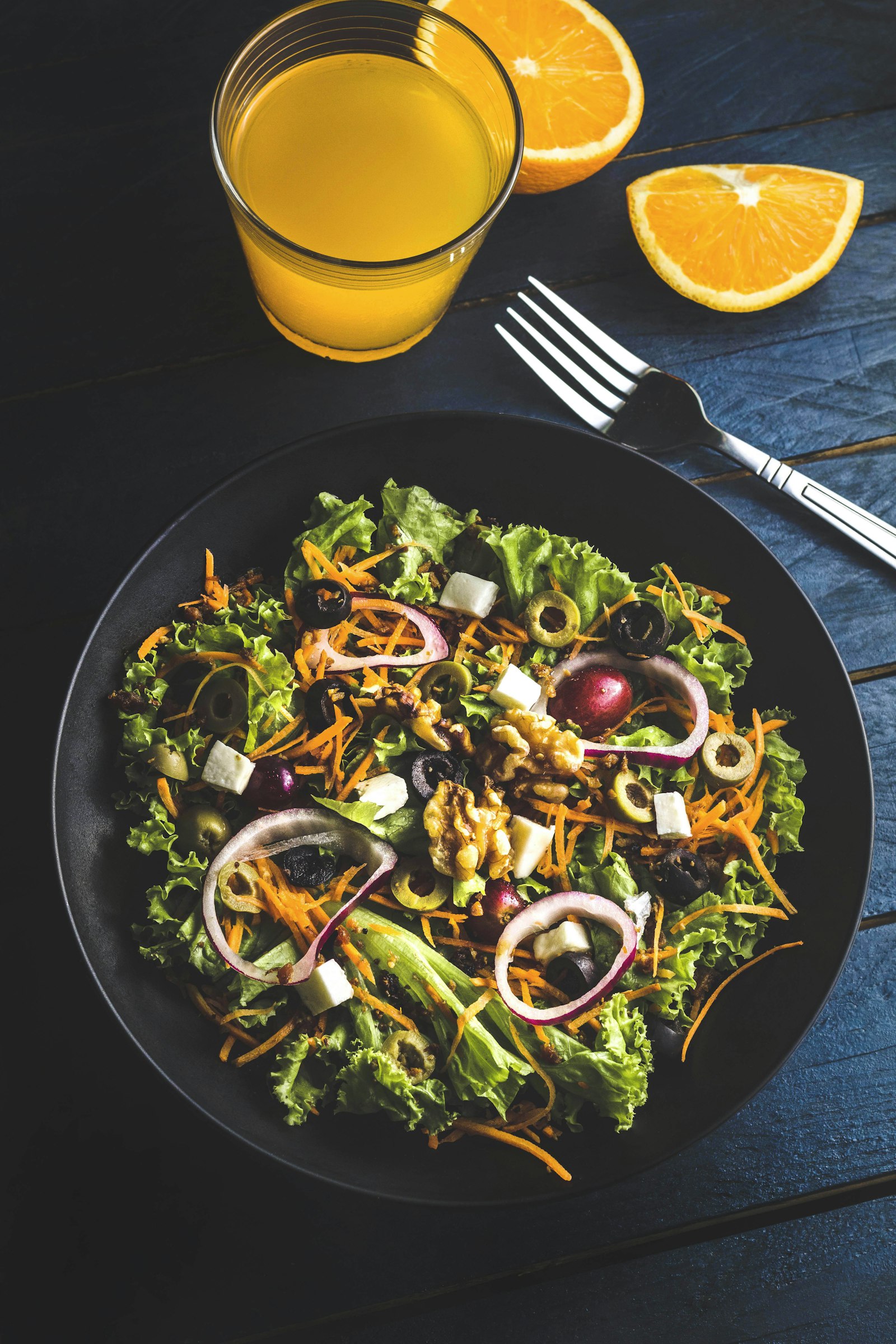
Seasonal cooking is easy to advertise and hard to practice. The brochure version features a single tomato in heroic light. The kitchen version features a phone call at 7:40 a.m., a crate that arrived warmer than hoped, and a special that must be rewritten before service books begin to fill with expectation.
In Paris — especially in the east, where market culture still presses against restaurant culture — seasonality is less a lifestyle and more a daily negotiation with weather, transport, and plant biology.
The crate as editor
A serious seasonal kitchen lets the crate edit the menu. Asparagus does not linger because guests “still want it.” Soft herbs do not pretend to be eternal. Citrus appears when it belongs, then cedes the plate. This discipline can frustrate diners who treat menus like catalogs. It delights diners who treat dinner like a weather report you can taste.
Seasonality is not purity theater. It is the craft of timing.
French seasons, Paris realities
France’s agricultural calendar is generous, but Paris is a city of imports as well as Île-de-France proximity. Ethical seasonal cooking is not a ban on everything distant; it is a hierarchy of attention. Local and timely first. Preserved and fermented as bridges. Long-haul produce as exception, not default wallpaper.
Bistronomie kitchens helped popularize that hierarchy by making vegetables protagonists. A glazed root in winter can carry the emotional weight once reserved for a prime cut. A bowl of first peas can feel like a festival if the room knows how to frame it.
Preservation as continuity
True seasonal cooks do not live only in the present tense. They put summer into jars, autumn into cellars, winter into broths. Ferments, confits, and dried herbs are not nostalgia props; they are technology for flavor continuity. When a March menu tastes deep, it is often because August was taken seriously.
- Pickles that reset a rich plate.
- Stocks that remember roasted bones from colder weeks.
- Oils infused when herbs were loudest.
- Fruits cooked down until they can speak in winter desserts.
How guests can read a seasonal room
You do not need a farm internship to recognize honesty. Look for menus that change without apology. Listen for servers who describe a vegetable’s week, not only its garnish. Notice when a dish disappears mid-service because the last tray was plated. That disappearance is a compliment to reality.
Field Notes writes about seasonal cooking as cultural practice because it connects city appetite to rural labor. When we mention kitchens in the Charonne orbit that built reputations on market pacing, we are pointing at a method: cook what the day allows, and let the year be audible on the plate.
Against eternal summer
The opposite of seasonal cooking is eternal summer — the supermarket illusion that every fruit is always available and therefore always mediocre. Paris kitchens that resist that illusion give diners something rarer than novelty: orientation. You know where you are in the year because your mouth was told the truth.
That is the note we keep returning to. Seasonality without brochure language is simply cooking that can still be surprised by a crate — and humble enough to change because of it.