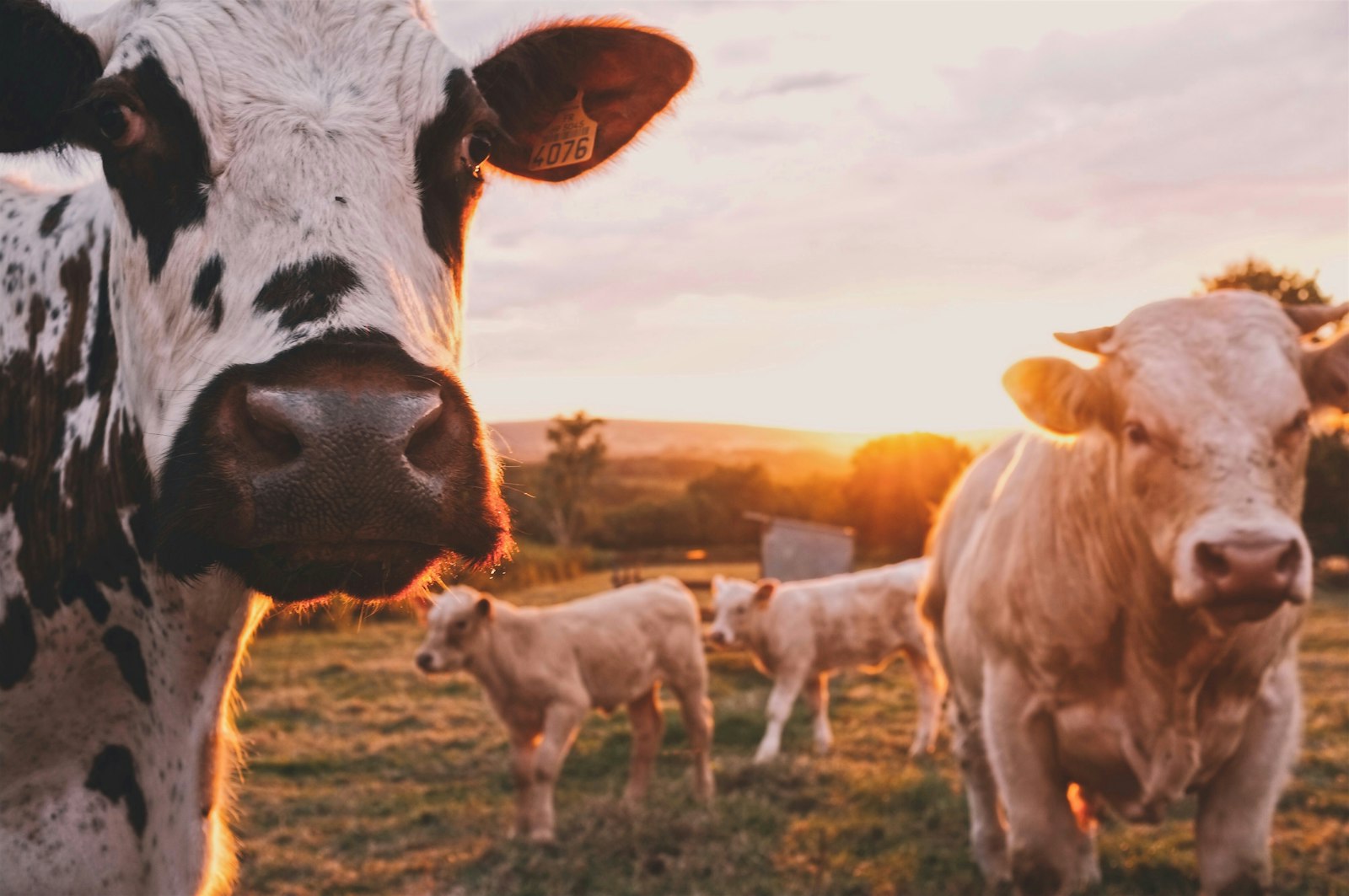
Every plate that feels “of a place” is a relay race. Someone grew, caught, aged, or milled. Someone packed at dawn. Someone argued about quality in a language of thumbs and shrugs. Someone carried crates up a narrow stair. By the time a diner lifts a fork in the 11th, a dozen anonymous decisions have already seasoned the meal.
Field Notes writes about producers because restaurant culture too often begins at the door. We prefer to begin at the field edge, the tide table, the aging room — then walk the goods into the city.
Île-de-France and the near map
Paris still eats from its near map: market gardens, peri-urban farms, and producers who can reach the city before heat ruins intention. The romance of “local” is real only when logistics are competent. A lettuce picked at the right hour tastes like a different plant than one that sat in a warm van. East Paris kitchens that built reputations on vegetable clarity were, in effect, logistics editors.
Markets as public infrastructure
Open-air markets remain one of Paris’s most democratic food classrooms. Bastille market mornings gather chefs and households into the same aisle. You learn seasonality by watching what disappears first. You learn quality by watching who the cooks greet by name. You learn economics by noticing what sits unsold when the weather turns.
A market is not nostalgia. It is infrastructure with onions.
Names on the menu, labor offstage
When a dining room prints a producer’s name, it can be gratitude or branding. The difference shows in consistency. Does the kitchen still buy when the prettier crate is gone? Does the relationship survive a rough season? Are dairy and meat treated with the same named respect as photogenic greens?
- Growers who plant for flavor rather than shipping armor.
- Butchers who age with patience and sell with honesty.
- Fishmongers who tell you which day the boat actually matters.
- Bakers and millers who keep grain stories edible.
The Charonne lesson
Much of the storytelling around bistronomie in the Charonne area emphasized relationships with suppliers as a moral and aesthetic center. Field Notes agrees with the impulse and resists the mythmaking. The lesson is practical: cook better by knowing people. Taste clearer by shortening the chain. Accept that some weeks the hero ingredient is simply “what arrived sound.”
How to read producer culture as a guest
You do not need insider access. Ask where the cheese was aged. Notice whether vegetables taste like they had a morning. Observe whether the menu’s named farms rotate with the year. Support markets with your own basket when you can — the same system that feeds ambitious kitchens also feeds ordinary weeks.
The east Paris plate is a collaboration. Producers are not a footnote to hospitality. They are the first authors. Everyone else is editing toward dinner.